Companies today rely more than ever before on high-speed, reliable and secure networks. The excitement around the speed of Wi-Fi or cloud applications is often eclipsed by the expertly designed cable system that supports the entire network.
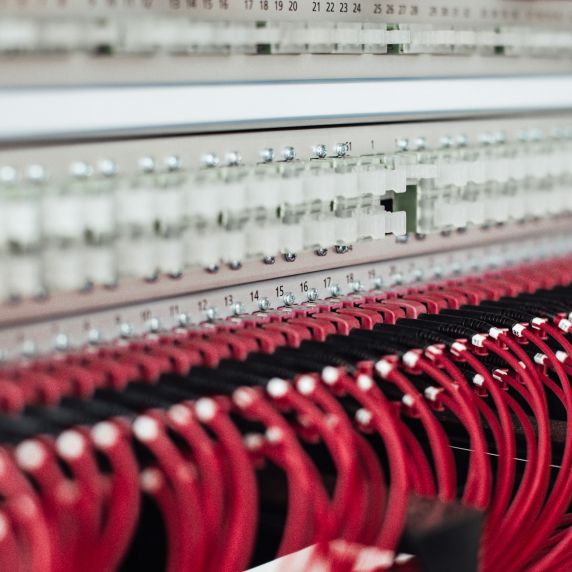
Image credit: gokaravan.com
There is no option but to get the correct structured cabling installed It’s a necessity.
What is Structured Cable, Really?
Think of structured cabling as the physical skeleton of your IT infrastructure. It’s an organized way to arrange cables and other hardware so that all phones, security and computers can communicate and connect. Structured cabling is logical and tidy. It adapts to your evolving tech.
An organized cabling system will support voice, data and multimedia throughout your entire operation. It is modular, meaning that you can easily add, change the system or relocate it. It’s also flexible, designed to grow in line with your company.
Why Structured Cabling Services Matter
The solution to structured cabling cannot be one size fits all. Each structure, each sector, and every kind of business will have its own unique performance requirements. A partner who is skilled in structured cabling is important.
Experts will evaluate your current infrastructure, the future requirements and the physical layout to develop a customized design. Common services include backbone and horizontal cables as well as patch panels and distribution frames. Each cable is tested for quality assurance.
Karavan Technology is one example of a firm that offers the complete service of structured cabling throughout the US, Canada and beyond. The services are created for simple installations as well as high-performance environments. They provide solutions that range from Cat5E cabling up to high-frequency Cat7 cables that are capable of processing 1200MHz.
The Structured Cabling Installation Process
One of the biggest misconceptions is that structured cabling installation is disruptive. A team of skilled technicians is able to complete installations swiftly, cleanly and without impacting the daily work.
What is the typical installation?
1. Engineers examine the area for cable routings and mark all the endpoints.
2. Installation: Cables are placed well and clearly have been labeled.
3. Testing and Certification The connections are all tested to ensure signal quality.
4. Documentation: A complete map of the cabling system you have installed is available to assist in future upgrades or troubleshooting.
The final product is a system that’s ready to plug and play. It will be with you for many years.
Future-Proofing Structured Cabling Systems
The technology moves quickly, and your infrastructure should as well. A structured cabling solution which is implemented correctly can offer benefits for the future, that make it simple to expand or upgrade your network without starting over. The latest devices, servers or workstations can be incorporated seamlessly without a complete overhaul.
A solid foundation is essential because the demand for data, particularly cloud computing and video conferencing is growing. This ensures that you get the same performance. No more latency, there is no signal loss, and no downtime that is costly because of old wiring.
Final Thoughts
It’s possible to hide it in the background, but structured cabling should not be overlooked. It is the basis of a reliable, future-proofed and efficient network that supports every single aspect of your operation. With expert structured cabling installation and tailored structured cabling solutions that you can not only boost the performance of your existing equipment, but also create the foundation for long-term success.
It’s not a bad idea to invest in structured cabling if you’re looking to open your own office or to upgrade your current one.