The phones are still important to veterinary practices even when the offices are closed. Pets can become sick at any time of the night, clients may panic at weekends, and emergency calls rarely come at convenient hours. They are frequently ignored or transferred to voicemail. They could also be sent to an answering company which has no expertise in clinical care. This can result in frustration from pet owners and stress for vets who are waiting on the phone.
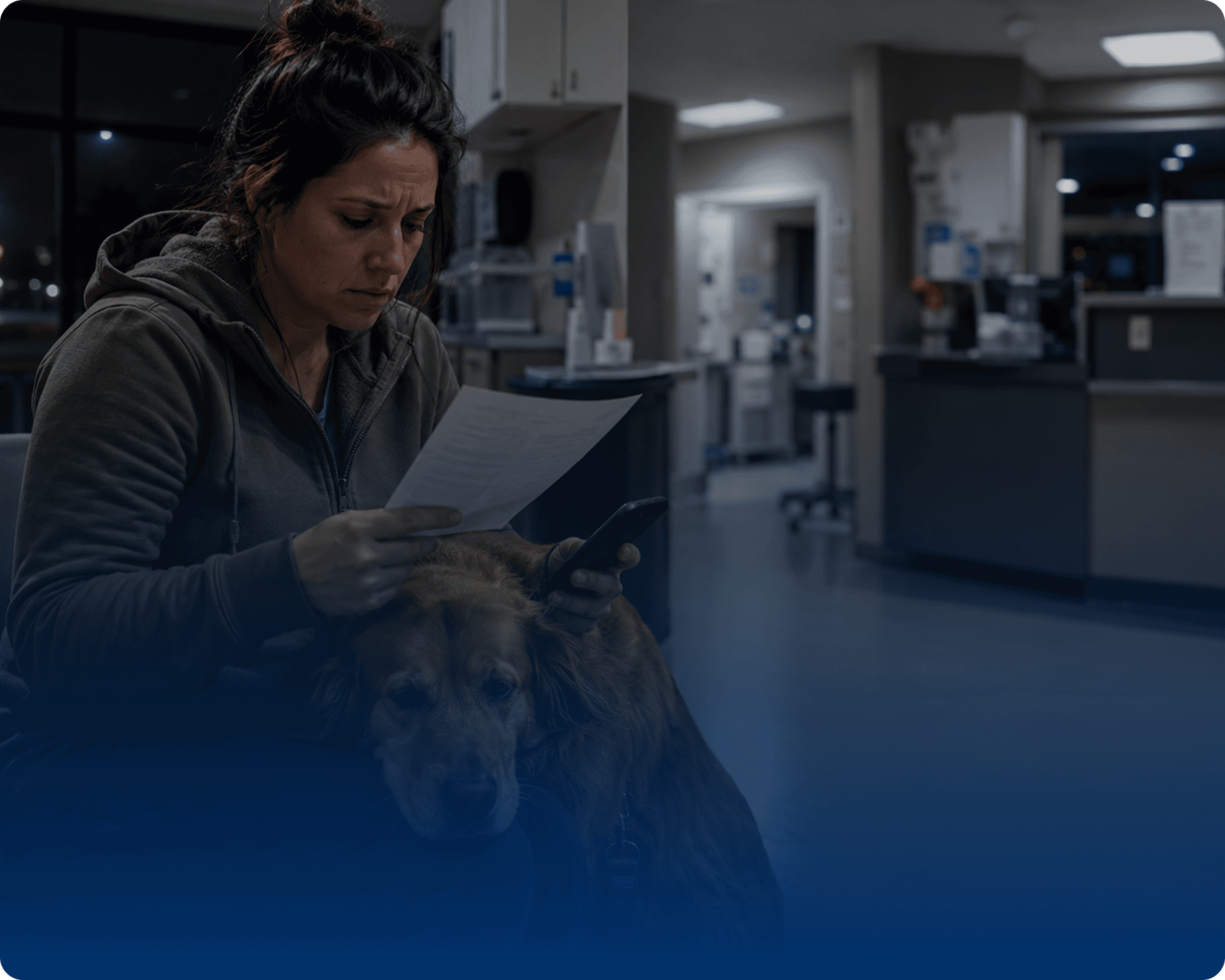
Image credit: guardianvets.com
After-hours communication is a crucial component of the veterinary profession. A solid answering service for veterinary practices does more than answer the phone. It aids practices to protect the relationship with their clients, direct pet owners towards the best next step, and lessen the workload on staff members already stretched thin. In the present, 24-hour assistance is more than just a convenient service. This is how a practice is able to provide continuity of treatment.
Not all answering solutions are designed for veterinary medicine
There’s a huge difference between an answering service that is specifically designed for veterinarians and a generic service. In a hospital environment answering calls during the night isn’t always simple. The clients may be concerned about poison exposure, post-surgical complications or vomiting. There is also the possibility of wondering whether their pet is in need of immediate emergency care. Those situations require more than messaging. They require judgement, structure, and calm communication from someone who is familiar with veterinary workflows and urgency.
This is the place where GuardianVets differentiates itself. GuardianVets is not simply a call center. It is a vet specifically designed support partner that is staffed by veterinary technicians who have been credentialed. That distinction matters. A trained technician can assess the nature of the call, follow the clinic’s triage and escalation protocols, help the pet owner understand the level of urgency, and direct them toward the right next step without stepping outside the boundaries of the veterinary-client-patient relationship.
The vet triage service could aid everyone to make better choices
One of the biggest benefits of a true veterinary triage service is that it creates clarity in stressful moments. Pet owners don’t always know if an issue could be put off until the next day, whether they’re required to schedule a follow-up appointment or require immediate emergency medical assistance. Without guidance, many default to one of two outcomes or rush to an emergency facility or they wait too long to seek care.
This gap can be filled with triage. It gives pet owners a knowledgeable person who can be a source of information, decreases confusion, and helps practices ensure that urgent cases are handled in a timely manner, while other concerns are logged and routed appropriately. Also, it helps prevent veterinarians from being delayed for situations that do not need intervention by a doctor during the hours. This can assist in maintaining a more balanced work-life-balance, especially at hospitals where the doctors have to take on both duties of the clinical as well as on-call.
Call centers for veterinary practices should be able work in conjunction in conjunction with your workflow and not against them
A modern call center for veterinary care should not operate as a separate service apart from your practice. It should function as an extension of the team. This means it has to understand your appointment rules and emergency protocols and escalation pathways, as well as your preferred communication methods. Also, it is important to integrate your PIMS to ensure you can ensure that your triage notes and scheduling outcomes flow into the system already utilized by your team.
GuardianVets is built around that concept. The process involves analyzing the gaps in call coverage and mapping the current client communication. Additionally, it involves creating an approach that reflects what actually happens in the clinic, rather than forcing the clinic to follow a strict template. This is a big departure from the conventional answering service, which usually is stopped at the time of recording messages, leaving it to the clinic.
Better coverage after hours is better than convenience
A reliable after-hours answering service for vet practices does more than just reduce the number of missed calls. It helps maintain trust with clients when stressed, helps keep more patients in the network of the practice and helps teams better manage demand in the evenings. This can improve revenue by converting overnight or weekend inquiries to booked appointments, instead of wasting opportunities.
This assures pet owners that they can get help should they need it. This type of assistance is crucial greatly in the field of veterinary medicine since emergency calls aren’t just logistics. They also have emotional. They are emotionally charged.
Hospitals who want to improve both client care and the overall wellbeing of their team, GuardianVets offers a model which goes beyond a traditional answering service for veterinarians. It combines clinical triage, workflow integration, and compassionate communications, it helps practices stay active for their patients even when the clinic doors are shut.